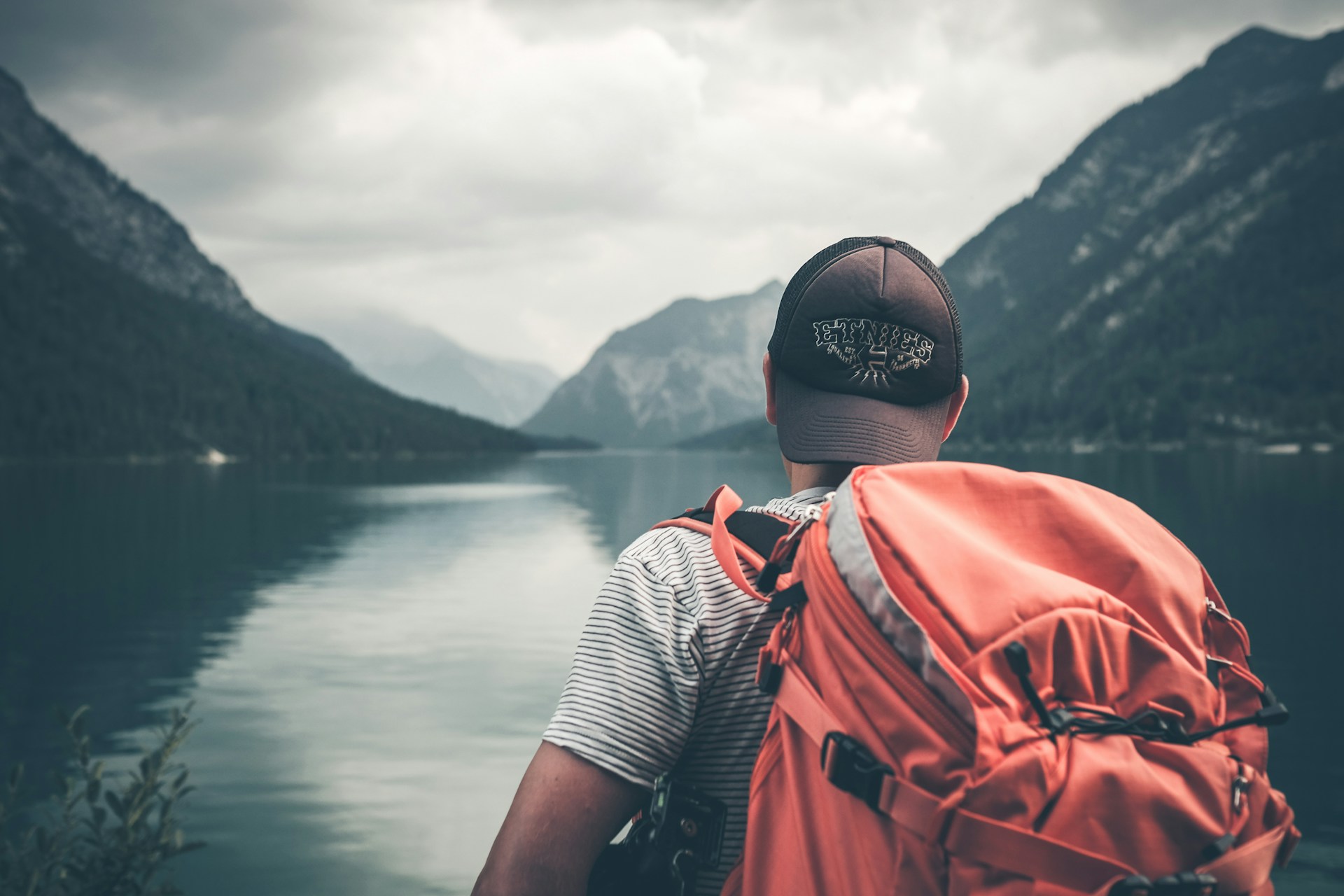

Solo travel in Scotland by campervan works best when you give one region a full week and spend your first nights on campsites. Once the roads narrow to single-track, 100 to 150 miles fills a day, and you’re the only one at the wheel.
We hire campervans from our depot in Penicuik, near Edinburgh Airport, and this is how we’d plan a first trip for someone travelling alone.
Is Scotland a good place to travel solo in a campervan?
Yes. Eating alone in a pub or sitting outside your van with a book draws no attention in Scotland, in the cities or out in the glens. When it pours at lunchtime, you put the kettle on in the van and read for an hour.
The catch is that nobody takes over when you’re tired. Plan fewer miles than you think you need, and be on your pitch before dark while you’re getting used to the van.
Drivers need to be aged 25 to 70, with a valid UK or European licence held for at least two years. The full requirements are in our Terms & Conditions.
If the solitude worries you more than the driving, try a day out and a dinner on your own before you book a week.
Choosing your van and getting ready to go
Take one of our four VW California Oceans: Skye, Harris, Lewis or Aaron. The VW California Ocean is the smaller of our two models, so narrow lanes and tight car parks are easier when there’s no passenger to wave you back.
Hamish, our Ford Custom Limited, has more room inside and copes fine on single-track with a little more care. Both models are automatics, which leaves you one less thing to think about while you get used to driving on the left. Our VW vs Ford comparison goes into the differences.
Craig will walk you through the van before you leave. Have a go at the bed and the gas while he’s there, and lift the pop-top (the roof that rises to give you headroom) at least once. The heater runs without the engine, which you’ll appreciate at a cold campsite at six in the morning.
If you’re flying in, add any of our packages and we’ll meet you at Edinburgh Airport. If you’d like a couple of days in the city first, the tram takes about half an hour from the airport to the centre, and you can collect the van afterwards.
Soft bags stow far better in a van than a hard suitcase. Layers beat one heavy coat, and a warm hat earns its place even in July. Midge repellent goes in from late May, and our packing list has the rest.
Which route fits the time you have?
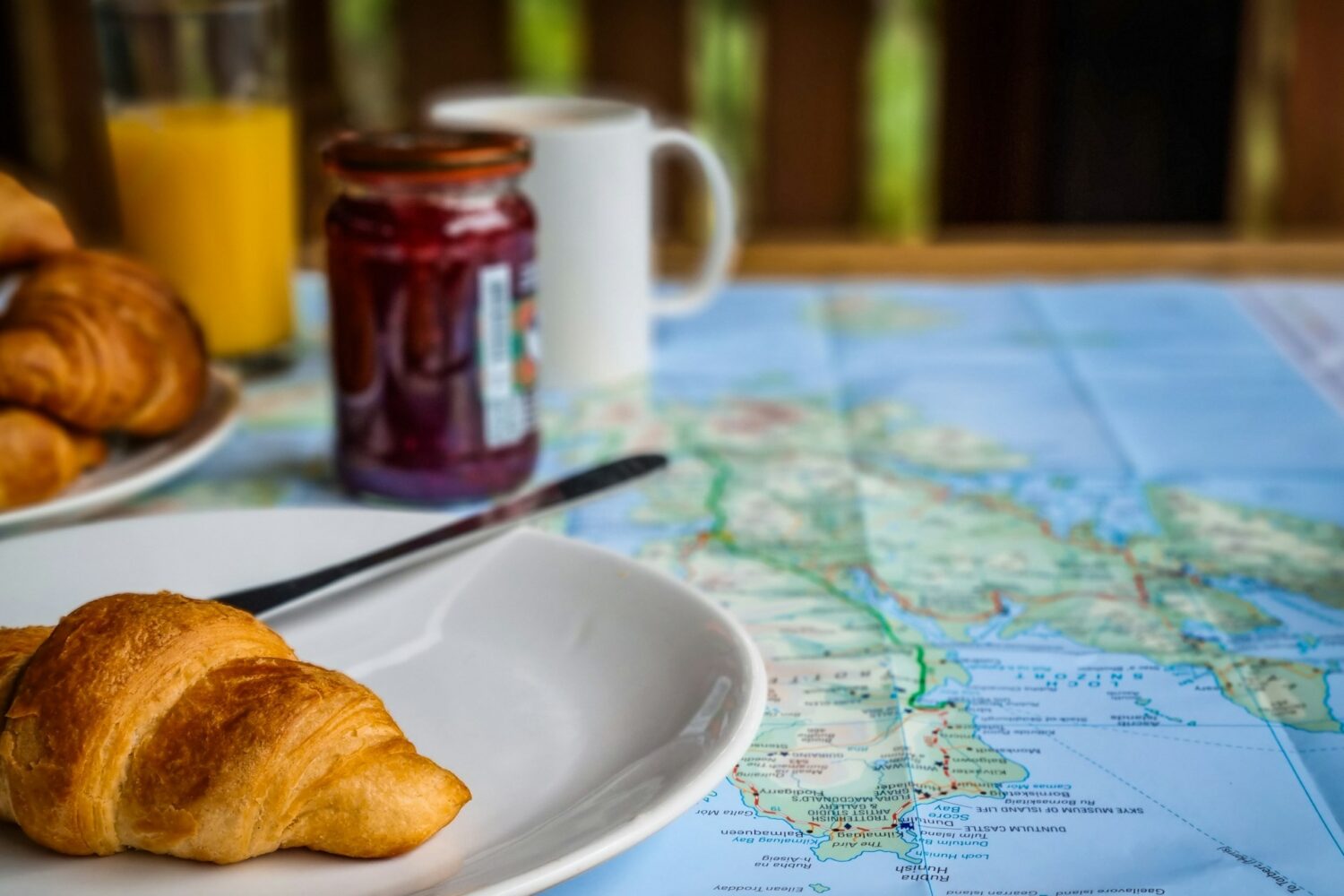
For most first-time solo drivers, we’d plan a week on the Heart 200.
| Time you have | Route we’d pick | Why it works solo |
|---|---|---|
| Under five days | South West Coastal 300 | Quiet country roads, about 1.5 hours from the depot to Dumfries, and three relaxed days covers it |
| About a week | Heart 200 | 200 miles, mostly on two-lane roads, and the gentlest Highland route for a first-timer |
| Ten to fourteen days | NC500, or the Heart 200 plus Mull | The 516-mile NC500 takes five to seven days from Inverness, plus about 3.5 hours each way from the depot |
The Heart 200 loops through Perthshire and the Trossachs. The Hermitage at Dunkeld makes an easy first walk, and our five-day Heart 200 guide has the full plan.
Our NC500 itinerary runs the east side first, then down the west coast. Up there, 100 to 150 miles can take a whole day once you count the single-track and the stops.
The Bealach na Bà, the pass over to Applecross, is a confidence call. It climbs at close to 20% with tight hairpins. If you’d rather not do it alone, the coast road round by Shieldaig is the calm way in, and nobody will know.
Whichever route you pick, keep one day with nothing booked. You’ll want it after a cancelled ferry, or for going back somewhere you liked.
Best time of year for a solo campervan trip
May and early June are our first choice. The days are long and the campsites are open. The midges haven’t hit their July peak yet.
July and August are the busiest months, so book pitches early, especially on the NC500. By late October you’re down to about nine hours of daylight and the seasonal campsites are closing, so plan shorter days.
We’d leave winter for a second trip if you’ve never slept in a van. Our Best Time to Visit Scotland post goes through it month by month.
Where to sleep: campsites, laybys and permits
Your first night
Stay close to Penicuik on night one. Collection is between 1pm and 5pm, which leaves time for a short drive and an early pitch.
Mortonhall in south Edinburgh is open all year, as of November 2026. Slatebarns Caravan Park in Roslin, a short walk from Rosslyn Chapel, is seasonal: it reopens on 25 March 2027 and takes arrivals from 1pm to 6pm, so collect early if you’re heading there.
With an hour of daylight left, the 2.5-mile loop round Glencorse Reservoir from the Flotterstone car park is a good first leg-stretch.
Campsites while you learn the van
Book campsites for your first few nights. You arrive to a reserved pitch and a shower, there’s somewhere to empty the toilet, and you can plug the van into the site’s electric hook-up overnight.
Laybys and car parks
Outside a campsite, it isn’t wild camping. Scotland’s access rights don’t cover vehicles, and Highland Council’s guidance (checked November 2026) lets you rest overnight in a designated formal layby only if everything stays inside the van.
The awning, table and chairs that come with every van are for campsites. Pay any posted charges, and if a layby’s already in use, move on to the next one. Anywhere off the road needs the landowner’s permission, and a pin on an app doesn’t overrule a sign on the ground.
Highland Council also runs 12 overnight car parks for campervans, including Durness and Ullapool, open from 10pm to 8am. You need to join its campervan and motorhome scheme first. There’s no booking, and daytime parking charges still apply.
Loch Lomond and the Trossachs
The Heart 200 takes you through the Trossachs. From 1 March to 30 September, use a campsite or a designated motorhome permit area for overnight stays in the national park’s camping management zones. A permit is required for the designated permit areas.
The motorhome permit areas are Firkin Point and Inveruglas on Loch Lomond and Three Lochs Forest Drive near Aberfoyle. You can stay up to three nights and book up to four weeks ahead on the national park’s site. As of November 2026, no permit is needed until 28 February 2027.
Toilets and waste
Our vans don’t have a built-in toilet. A portable one comes with our Silver and Gold packages, or you can ask for one when you book. Empty it only at a proper disposal point, and the same goes for the waste water from the sink.
Your last night
Make your last night close to the depot too. The van is due back by 11am with a full tank, clean dishes and an empty toilet, and that’s a far easier morning from Mortonhall than from Glencoe.
Driving alone on single-track roads
Single-track roads are one lane wide, with passing places every so often where one vehicle pulls in to let the other by. Pull into a passing place on your left, or wait opposite one on your right, and let anyone behind you overtake. Never park in one.
If you can’t see the back of a pitch, get out and look. Nobody’s timing you.
Fill up before the far north west. From Durness to Ullapool it’s about 100 miles with only small stations, and south of Scourie there’s nothing on the main road for 50 miles or so.
Leave Inverness, Dingwall or Tain with a full tank, and top up whenever you drop below half. Small stations keep short hours on Sundays and from October to March.
Mobile signal drops out between towns. Download maps and bookings before you leave one, and expect coverage back in places like Fort William, Inverness and Portree. Our guide to internet in the Highlands shows where to expect a connection.
Book any island crossing before you go. As of November 2026, CalMac doesn’t let campervans join standby queues at its ports, so turning up and hoping won’t work. Weather cancels sailings too, which is what the spare day is for.
What does solo travel in Scotland cost in a campervan?
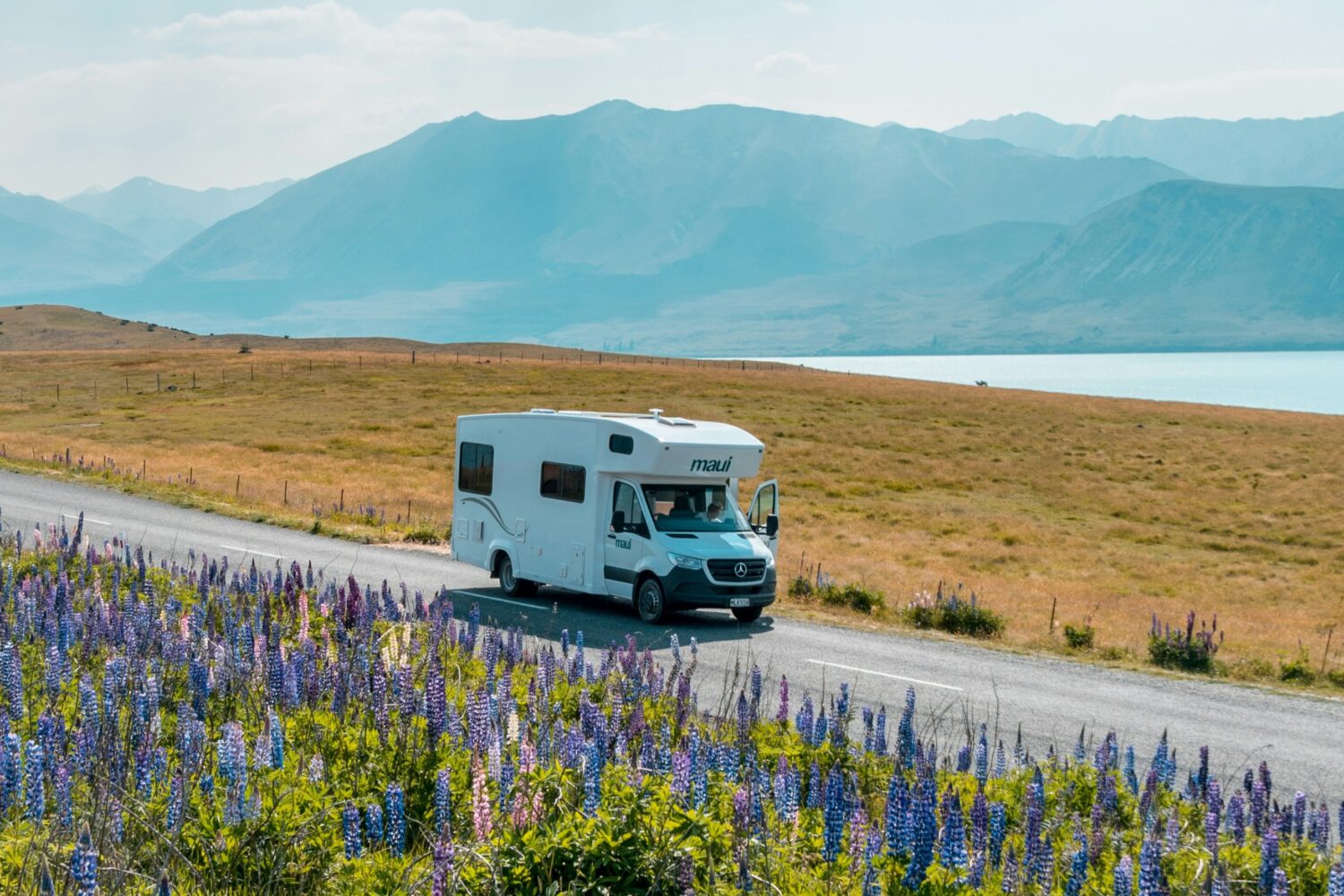
Hire is the biggest cost, and you carry all of it. A campervan is like a hotel double that way: it costs the same whether one person uses it or two.
These are typical Scotland-wide figures as of November 2026, not our prices.
| Cost | Typical figure | Source |
|---|---|---|
| Campervan hire | Most vans £90 to £150 a night; larger vans around £200 in high season | The Vanabond Tales, updated January 2026 |
| Campsite pitch | £25 to £40 a night; electricity can cost extra | The Vanabond Tales |
| Fuel | UK average about £1.99 a litre for diesel and £1.73 for petrol, week of 2 November 2026 | DESNZ weekly road fuel prices |
| Ferry to Mull (Oban to Craignure) | £17.60 each way for a campervan up to 6 metres, plus £4.70 per adult | CalMac fare table, November 2025 |
| Edinburgh visitor levy | 5% on campsite and campervan pitches, for the first five nights, on stays from 24 July 2026 | City of Edinburgh Council |
The levy applies at Mortonhall, since it’s in Edinburgh. Cooking most nights keeps food modest, and after a long drive one pan is usually enough.
Insurance and cooking kit come with every hire from us. Bronze, Silver and Gold all add linen, cleaning and unlimited mileage, and Silver adds the portable toilet.
Gold suits anyone who wants the least to worry about on single-track. It includes limited liability with a £250 deposit and windscreen, mirror and tyre protection; check the package terms when booking. See what each package includes.
Staying safe when you’re travelling alone
Most of staying safe in a van is routine. Leave your route and a check-in time with someone at home, and keep a power bank charged for the stretches without signal.
Lock the van whenever you leave it, and keep valuables out of sight. If an overnight spot doesn’t feel right, move on while there’s still daylight to find another.
In an emergency, call 999, or 112, which works from any phone. Police Scotland’s non-emergency number is 101.
If you’re a woman travelling alone, campsites are the easy answer for most nights, because you’ll have neighbours and a toilet block. Arrive before dark, and if an empty layby feels wrong, trust that and drive on.
A hill day on your own needs navigation skills and a forecast you’ve checked that morning. Ben Nevis, at 1,345 metres, can change fast whatever the weather’s doing at the car park. From July to mid-October, check Heading for the Scottish Hills for deer stalking before you set off.
If something goes wrong with the van, the RAC is included and you’ll have our number for the whole trip. It’s Craig or Alison on the other end.
Meeting people, or enjoying your own company
Boat trips are the easiest way to meet people on your own. You spend a couple of hours beside the same strangers with something obvious to talk about.
From Oban, a few days on Mull puts the Staffa boat trips within reach. Further north, the seasonal boat to Handa Island for the seabirds leaves from Tarbet in Sutherland.
In the evenings, campsites and pubs with live traditional music do the same job. Sitting with a pint and listening counts as joining in.
Check boat-trip and day-tour operators online for current availability, and book directly before you travel.
If you’re in Edinburgh before you collect the van, join a free walking tour on your first morning, and save the National Museum of Scotland (free to enter) for a wet afternoon.
You’re the only driver, so ask for a driver’s dram to take away at any distillery. Scotland’s drink-drive limit is lower than England’s, and one dram can put you over it. Glenkinchie in East Lothian is the closest distillery to the depot.
Tell us how many days you’ve got and how you feel about the driving. We’ll suggest a van and a route that leaves you time to enjoy being on your own.