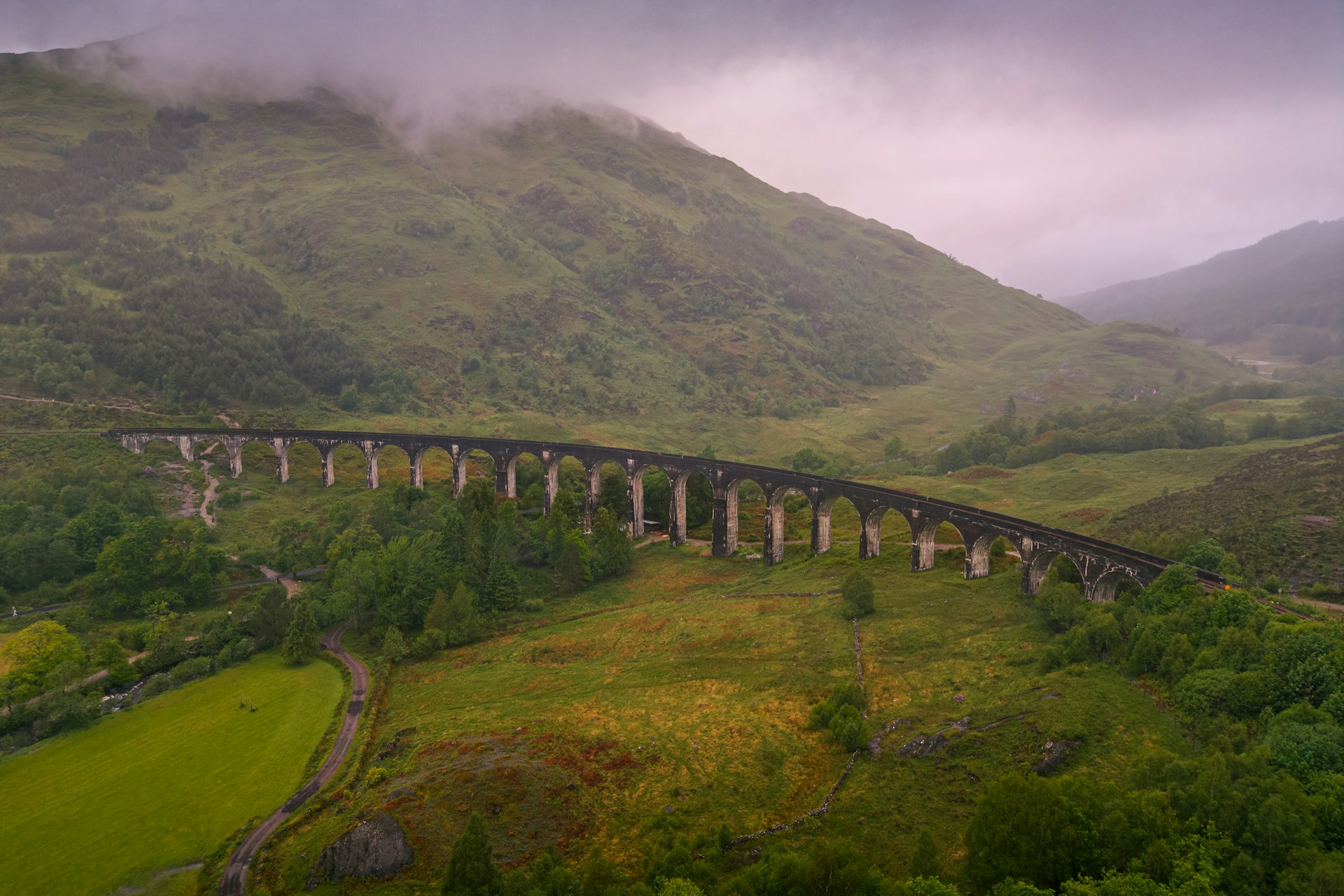

The best time to visit Scotland is May or early June. You get up to 18 hours of daylight, some of the driest weather of the year, and the Highlands before the school holidays and the midges arrive. September comes a close second. It’s the answer we give almost everyone who asks us when to book.
Every month has a reason to come to Scotland, though. Below is what each part of the year is really like on the road, so you can pick the dates that suit your trip.
Key takeaways
- May and early June give you the best mix of light, dry weather and quiet roads. It’s our pick for the NC500.
- July and August are the warmest months at 15-19°C, with the longest evenings, but also school holidays, peak prices and peak midges.
- September and October bring the red deer rut, autumn colour at its best in October, and roads that empty out once the holidays end.
- November to March is the cheapest time outside Christmas and Hogmanay, with the darkest skies for the Northern Lights and ski season from December. Daylight drops to 6-7 hours at midwinter.
- Wherever you go, the east coast is drier than the west.
Spring and early summer: March to June
This is the window we recommend most. The roads are quiet, the light lasts, and the countryside is at its greenest before the summer crowds turn up.
Spring highs sit between 7°C and 13°C and climb steadily towards June. March still feels like winter in the Highlands, and snow lingers on the highest ground into April. April and May are among Scotland’s driest months. Around the solstice on 21 June, the far north gets 18 hours of light or more, so you can fit a full day of driving and still have the evening left. Pack a waterproof jacket, a warm mid-layer and boots that can handle mud.
- Crowds: March to May is quiet, apart from a bump in demand around Easter. Skye and the NC500 get busier through June, but Scottish school holidays don’t start until late June.
- Flowers and birds: Bluebells carpet Scottish woodlands from early May to mid-June, and puffins and other seabirds return to the cliffs and islands from April.
- Other wildlife: Ospreys are back fishing Highland lochs by late March or April, and the Moray Firth’s dolphins are at their most reliable from May.
- Midges: They appear from mid-to-late May but don’t reach full strength until July.
In a campervan: Spring nights can still drop close to freezing, which is where the auxiliary heating earns its keep. It runs independently of the engine, so you can sleep warm beside a loch in April without leaving the van idling. Some campsites open around Easter, so check before you set off early in the season. By June, you can drive until 9pm and still pitch up in daylight. If the NC500 is on your list, this is when we’d tell you to do it, and our 5-day itinerary is built around exactly this kind of trip.
Peak summer: July and August
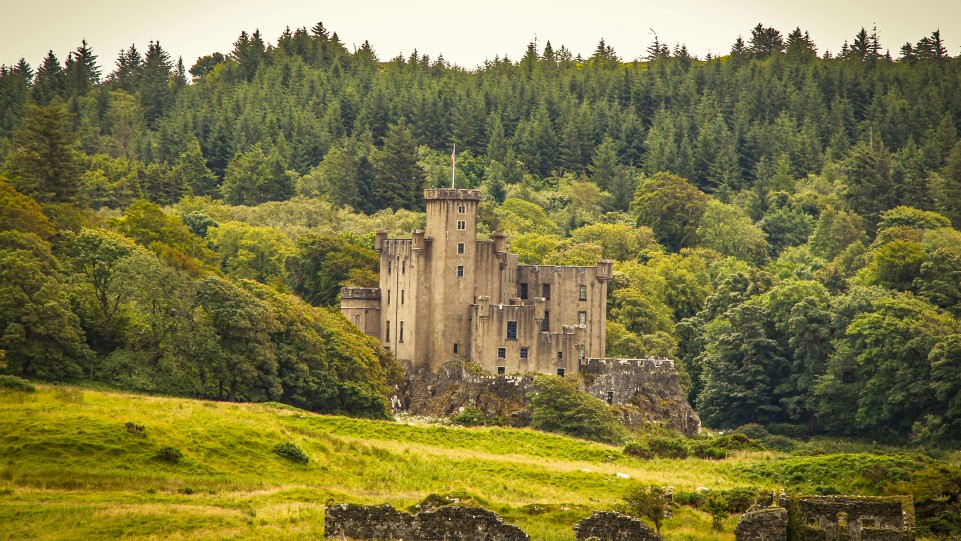
Summer is the warmest, busiest and most expensive time to visit. It still has the most settled weather and the longest evenings, and if you’re travelling with children during school holidays, it’s often the only option.
Average highs reach 15-19°C. Properly hot days are rare, and rain is still part of the deal, especially in the western Highlands and islands. The real payoff is the evenings. You can fit two or three places into a day without rushing, and ferries and island services run at full frequency.
- School holidays: Scottish school summer holidays run from late June to mid-August, though each council sets its own dates. They’re the main reason prices rise and queues build at the popular Highland stops. On Skye and the NC500, car parks fill by mid-morning.
- Edinburgh festivals: August adds the Edinburgh Festival Fringe, the Edinburgh International Festival and the Royal Edinburgh Military Tattoo, and city accommodation hits its annual peak. Book months ahead.
- Beating the crush: To get summer conditions without the crowds, come in June or in early September once the Fringe has finished.
Midges: Midges are active from late May to early September and peak in July and August. They love warm, humid, still air, so the west coast glens get the worst of it. Dawn and dusk are the bad hours. Wind is your friend: midges can’t fly in a breeze, so an exposed coastal pitch is often midge-free while a sheltered glen a few miles inland is unbearable. Repellent and a head net cost very little and make evenings outside bearable.
In a campervan: If you’re tied to school holiday dates, book your van and your campsites early. You’ll spend a lot of time on single-track roads. If the passing place is on your left, pull into it; if it’s on your right, wait opposite it. All our vans are automatic, which makes the constant stop-start much easier. For families, our VW California Ocean vans have ISOFIX points for child seats and sleep four. Our Ford Custom Limited also seats and sleeps four.
Autumn: September and October
Autumn is our second favourite season. The holiday crowds go home, the midges die off, and the Highlands are at their best for colour and wildlife.
- Colour: Autumn colour in the Highlands and Perthshire is at its best in October, though the timing shifts from year to year. Birch, aspen and larch put on the best show along the A9 and through Glen Affric.
- Red deer rut: The rut runs from September into October and peaks from late September to early October. You’ll hear stags roaring across Highland glens even when you can’t see them.
- Midges: The first frosts, usually from late September into October, finish off the season.
- Crowds and prices: Prices ease after the August peak, especially from mid-September. Early September gives you summer conditions with spring-level crowds.
April and September have similar daytime temperatures. September gives you milder evenings and autumn colour; April is usually drier. If you can only pick one, we’d go for September.
In a campervan: September is still easy going, with long enough days, most campsites open and mild nights. By late October, plan shorter driving days, because daylight drops to around 9 hours. You’ll want the heating on in the evenings, and some seasonal campsites close for the year, so check ahead.
Winter: November to February
Winter is the quietest season in Scotland and the hardest one to travel in. In return you get empty roads, snow on the mountains, the longest nights for stargazing and a few of the biggest dates in the Scottish calendar.
- Weather: Lowland highs sit at 5-7°C from December to February, with overnight frost routine in the Highlands and snow common above 300 metres. November is one of Scotland’s wettest months. Daylight in Edinburgh falls to about 7 hours around the winter solstice, and Shetland gets closer to 6.
- Northern Lights: The aurora is most likely between September and March, with your best chances in Shetland, Caithness and Sutherland, which puts the top stretch of the NC500 right in the zone. Treat it as a bonus rather than the reason for the trip.
- Skiing and walking: CairnGorm Mountain, Glenshee, Glencoe Mountain and Nevis Range run from December to April depending on snowfall. Mountaineering Scotland recommends full winter skills and equipment between November and April, so without that experience, stick to low-level walks.
- Big dates: Edinburgh’s Hogmanay sells out, Burns Night on 25 January fills halls and pubs with suppers and readings, and Up Helly Aa takes over Lerwick on the last Tuesday of January. Book early, because off-season prices don’t apply.
In a campervan: Winter in a campervan is for people who want peace and quiet and are happy to plan around short days. The auxiliary heating and a second leisure battery mean you can keep the van warm, the lights on and the fridge running through a long night without touching the starter battery. Breakdown cover with roadside assistance comes with every hire, which matters more on a remote Highland road in January than at any other time of year. Many campsites close for the season, so plan your stops in advance. Scotland’s wild camping rules cover tents rather than vehicles, so stick to campsites and places that allow overnight parking. Keep driving to daylight hours.

How to choose the best time to visit Scotland
Pick one priority and let it set your dates, rather than hunting for a month that does everything.
| If your priority is… | Go in… |
|---|---|
| The best balance of weather, light and crowds | May to early June |
| The warmest weather and longest days | June to August |
| Avoiding midges | Before mid-June, or October onwards |
| Quiet roads | April, May, September and October |
| Autumn colour and the red deer rut | Late September to October |
| Puffins and nesting seabirds | April to early August |
| The lowest prices | November to March, outside the festive dates |
| The Northern Lights | September to March |
| Skiing | December to April, snow permitting |
Best time to visit Scotland: common questions
When is the driest time to visit Scotland?
April and May are among the driest months, but where you go matters more than when. Fort William and the Isle of Skye get far more rain than Edinburgh and the east coast, because Atlantic weather systems hit the west first. If staying dry is your priority, an eastern route in April or May gives you the best odds: the Fife coast, Speyside, the eastern Cairngorms and the North East 250. No month is rain-free, so bring waterproofs.
When is the cheapest time to visit Scotland?
November to March is cheapest, outside Christmas, New Year and Hogmanay. April, May and late September into October also come in well below summer rates, with nearly everything still open. A campervan takes the sting out of peak pricing, because you’re not paying August guesthouse rates every night along the NC500. You will still want to book popular campsites early in summer.
Plan your Scottish trip with us
Whatever time of year you choose, Compass Campers can have you road-ready. Our vans are fully equipped, our depot is near Edinburgh Airport, and every hire starts with a full handover from our team, from the gas and heating to the pop-top roof and the electrics. You can collect any day of the week, and there’s free secure parking for your car while you’re away.
Explore our vans, or talk to the Compass Campers team about your route