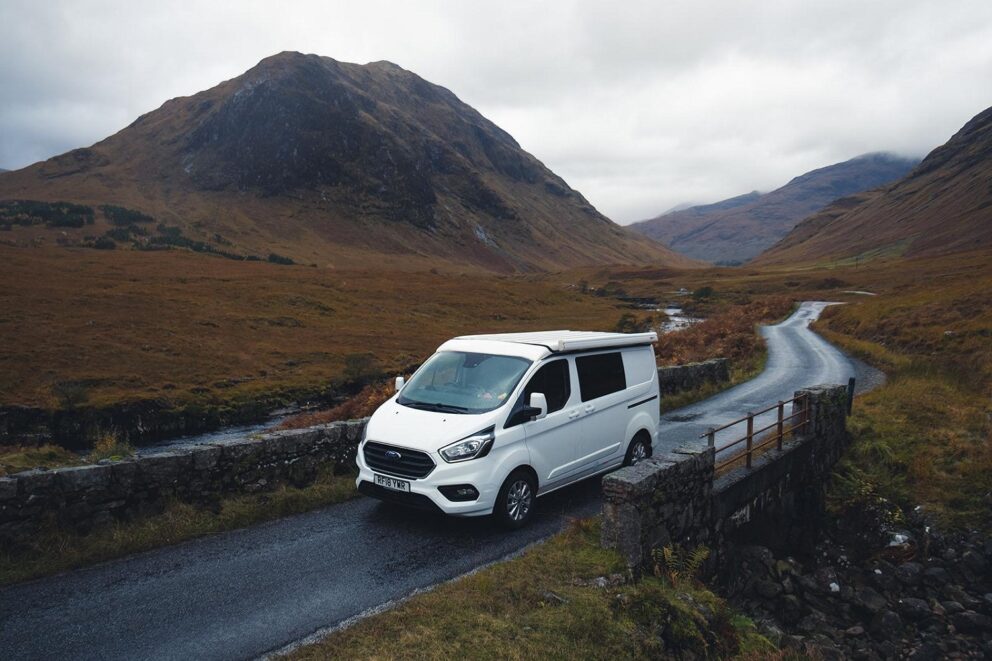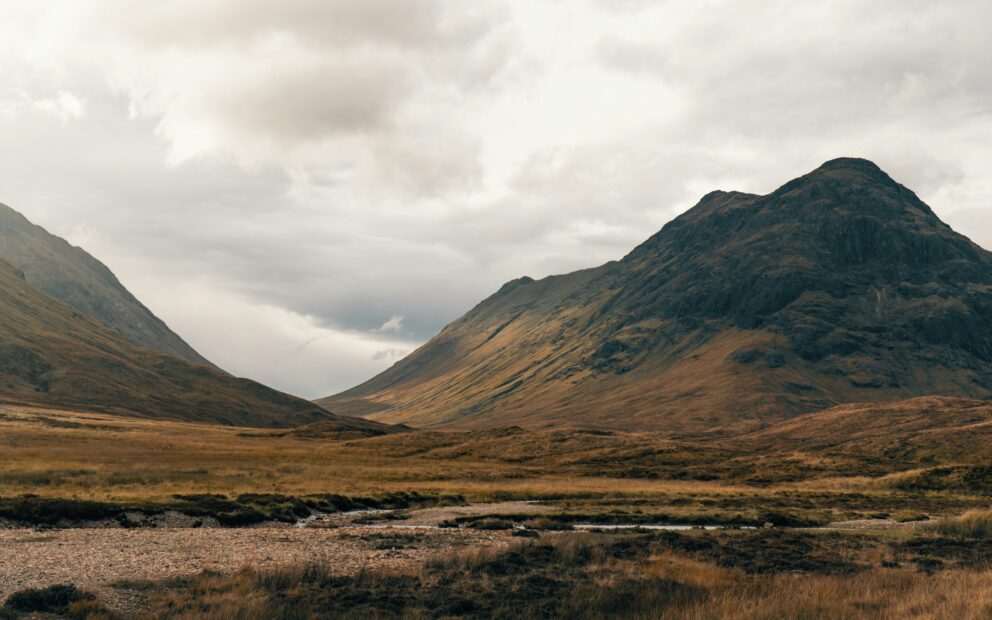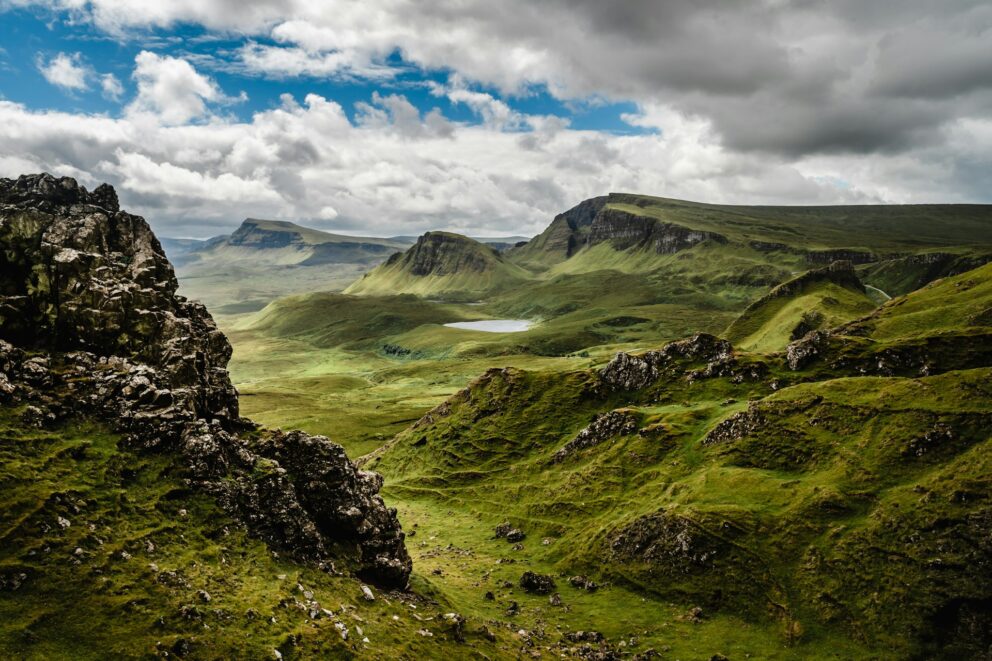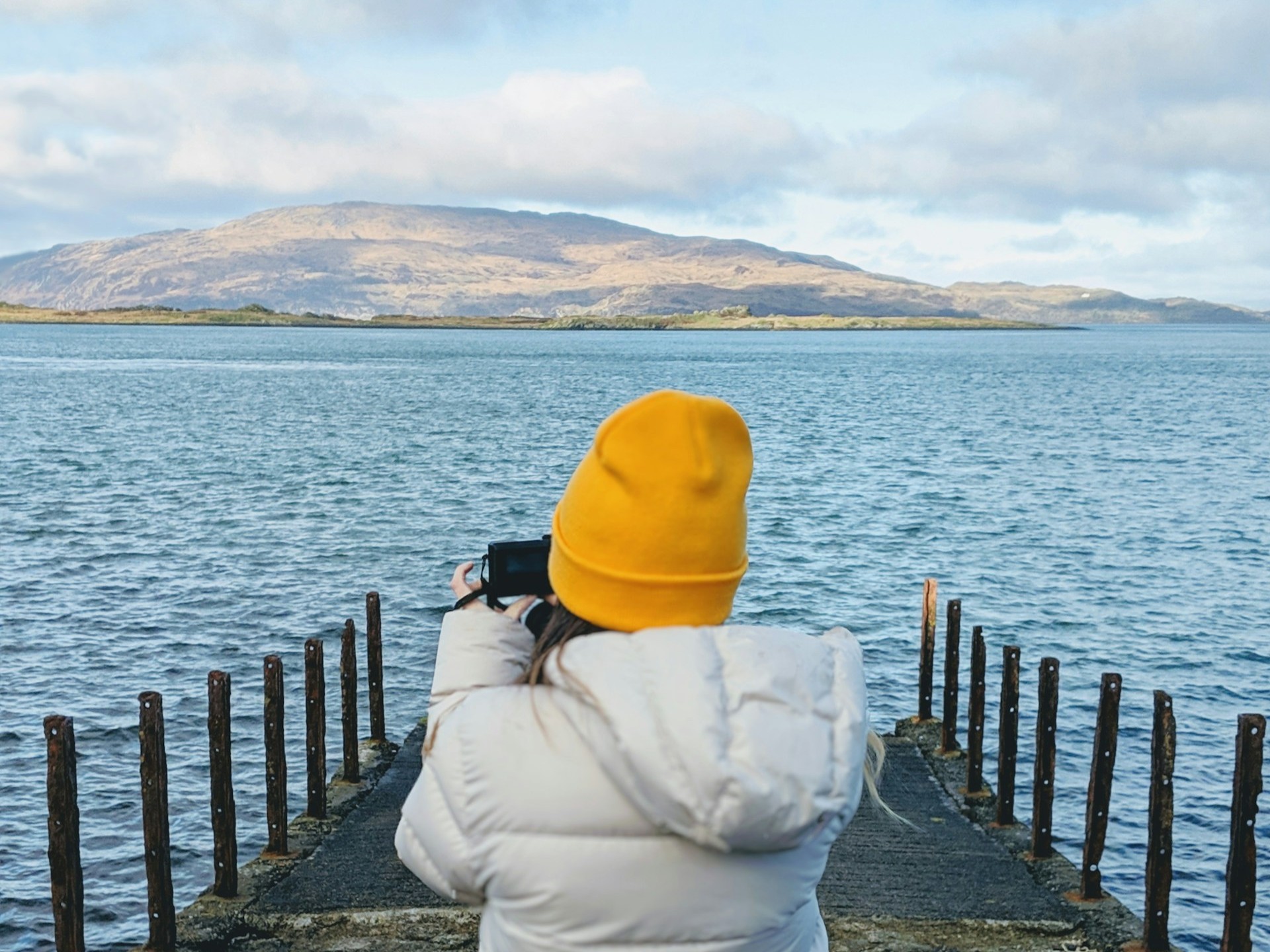

If you prefer your road trips peaceful, wild, and punctuated by scenes that make you pull over just to take in the landscape, then the Argyll Coastal Route deserves a spot on your list. Frequently overlooked even among more famous Scottish routes, this west coast drive is an absolutely truly special route, particularly for campervan travellers who crave freedom, scenery, and space to travel at their own pace.
Winding from Tarbet on Loch Lomond to Fort William, the Argyll Coastal Route meanders 129 miles through lochs, seascapes, old lands and friendly towns. This is not the sort of route you want to race from A to B; it’s best over three or four days, with time for detours, coastal walks, and unplanned coffee stops by the water.
This campervan-specific itinerary integrates iconic must-sees with practical stopovers and relaxing driving days.
What Is the Argyll Coastal Route?
This is one of Scotland’s official scenic routes, the Argyll Coastal Route, which runs from Tarbet at the head of Loch Lomond to Fort William in the Highlands. It features a mix of busy A-roads and more laid-back coastal sections, and meanders past sea lochs, islands, mountain passes, and centuries of history.
Along the way, you’ll encounter castles perched on loch edges, prehistoric sites older than the pyramids, and villages that seem to retain a deep connection with their landscape. There’s a palpable sense of space here: big skies, long shores, and roads that encourage you to slow down.
It is a highly manageable route for campervan travellers. The roads are generally good, with passing places when they narrow and plenty of laybys for photography. Some sections are remote, but that’s part of the draw. You’re never far from a town where you can get fuel or supplies, but it also feels like an escape.

Recommended Duration & When to Go
Three to five days is the sweet spot for the Argyll Coastal Route, most travellers will agree. Three days is fine if you’re short on time, but five allows for detours, walks, and slower mornings without feeling as though everything needs to be rushed.
The ideal time to visit is late spring through early autumn. The months of May and June also feature longer daylight hours and fewer midges, while July and August bring warmer temperatures and busier roads around Oban. September is an excellent shoulder-season choice; the campsites are quieter, and the fall foliage is very nice.
For campervans, it’s worth avoiding peak weekends if you can, particularly around ferry ports. It also allows you to hit the road when it’s calmer and you have a better chance of securing picturesque overnight spots.
Day-by-Day Argyll Coastal Route Itinerary
Day 1: Tarbet to Inveraray
- Distance: ~23 miles
- Driving time: Around 35 minutes (longer with stops)
The route starts in Tarbet, where Loch Lomond begins to narrow, and the Highlands start to loom. Almost immediately, the scenery shifts. Forested flanks lead down to open water, and several laybys offer an excellent opportunity for your first photo stop.
Arrochar is an immediate sense of escape, hemmed in by the spectacular peaks of the Arrochar Alps. Even a brief ramble along the loch shore here hints at what lies ahead over the following days.
Here, the road rises to the Rest and Be Thankful viewpoint, one of the most iconic stops on the route. This is one worth pulling in on, getting out, stretching your legs, and taking in the open vistas across the mountains to Loch Fyne as you continue downward.
Inveraray is a cosy spot to finish your first day. The lochside town looks smart and laid-back, with plenty to explore. Visitors to Inveraray Castle of Clan Campbell won’t be disappointed, and a visit to Inveraray Jail provides an interesting view of justice in the 19th century. Even if museums aren’t your thing, the shoreline walk and cafés here are enjoyable for a stroll.
Campervan notes:
- Parking in Inveraray includes designated campervan-friendly spaces.
Overnight options:
- Argyll Caravan Park (2 miles north)
- Discreet wild camping spots along Loch Fyne, following local guidance
Day 2: Inveraray to Lochgilphead
- Distance: ~25 miles
- Driving time: Around 45 minutes
Leaving Inveraray, the road follows Loch Fyne for its entire length, offering uninterrupted views of the water. It is a peaceful, leisurely stretch that offers ample photo stops.
A brief detour off the A83 leads to Crarae Garden, a serene woodland garden inspired by the Himalayas. The presence of streams, bridges, and easy paths makes it a convenient stop if you want to stretch your legs but don’t have a long hike in mind.
Further south, the vistas widen into Kilmartin Glen, one of Scotland’s most significant concentrations of prehistoric sites. Standing stones, burial cairns, and rock carvings are found throughout the valley, many over 5,000 years old. The views along the way are expansive, and beneath your feet is history: Dunadd Fort was once the important stronghold of the ancient Kingdom of Dál Riata.
Lochgilphead itself is functional rather than pretty, but it’s a practical base with shops, fuel, and straightforward access to the surrounding countryside.
Campervan notes:
- Parking is available near heritage sites along the A816.
- Kilmartin Museum is undergoing refurbishment, but outdoor trails remain open.
Overnight options:
- Ardfern Motorhome Park
- Campsites and pods around Lochgilphead
Day 3: Lochgilphead to Oban
- Distance: ~37 miles
- Driving time: Around 1 hour
It is a day of variety, with plenty of opportunities to cool off. Coastal detours to Ardfern and Craobh Haven reveal small marinas and tranquil picnic spots, perfect for a lunch break overlooking the sea.
Clachan Bridge, better known as the “Bridge Over the Atlantic,” is one of the route’s quirkiest moments. It takes moments to cross, but it stands as your connection to Seil Island, a tranquil haven for easy strolls and a slower pace.
There’s a sense of re-entering the busy atmosphere when you reach Oban after days of traversing quiet roads. The seafood capital of the West Coast is a wonderful place to eat fish and chips by the harbour. McCaig’s Tower, which perches above town, offers panoramic views over the bay and beyond to nearby islands; Oban Distillery provides a chance to try local whisky without having to drive far.
Oban is a bustling ferry port, so if you have extra time, visitors may also consider Oban a convenient jumping-off point for Mull and the Inner Hebrides.
Campervan notes:
- Oban Camping & Caravanning Club Site
- Roseview Caravan Park
- Designated campervan parking is available, though seasonal restrictions may apply.
- Excellent facilities for fuel, food, and laundry.
Overnight options:
- Oban Camping & Caravanning Club Site
- Roseview Caravan Park
Day 4: Oban to Fort William
- Distance: ~44 miles
- Driving time: Around 1 hour 10 minutes
The road from Oban winds alongside Loch Linnhe, one of the most scenic sections of the entire route. Look out for the Castle Stalker viewpoint near Appin, a picture-perfect scene if ever there was one.
Port Appin is a relaxed stop, with coastal views and, should you so choose, the possibility of hopping onto one of those ferries headed over to Lismore. Even if you’re not crossing, it’s a good place for a break before heading north.
Time permitting, there’s a loop through Glencoe for dramatic mountain views and well-known film locations (including scenes from Glen Etive used in Skyfall and locations for Harry Potter). It’s a slightly longer drive for the day if you factor that in, but it would be worth it for mountain enthusiasts.
The Argyll Coastal Route finishes at Fort William. Located at the foot of Ben Nevis, it’s a bustling Highland town with plenty to see and do, from the Nevis Range Gondola to the West Highland Museum.
Campervan notes:
- Fort William is well set up for campervans, with multiple campsites, service points, and supermarkets.
Overnight options:
- Glen Nevis Campsite
- Ben Nevis Holiday Park

Campervan Travel Tips for the Argyll Coastal Route
The Argyll Coastal Route is campervan-ready. While travelling around Scotland has its charms, plenty of options exist for serviced stops. Make the best use of passing places and pull into laybys instead of leaving gaps on narrow roads. The best places to refill water and empty waste are in larger towns such as Oban and Fort William, so plan for quieter stretches.
Apps like Park4Night or Searchforsites are great for helping you find places to stay overnight, specific services, and recent tips from other nomads. Petrol stations are common, but not everywhere, and so filling up when you can is wise.
Pack for the west coast: waterproofs, midge repellent, and warm layers are essential, as are camping chairs for spur-of-the-moment lochside evenings.
Start Your Argyll Adventure with Compass Rentals
The Argyll Coastal Route is the ideal road trip for campervanning. It mixes wild landscapes and deep history, peaceful to the point of being almost deserted roads, with welcoming towns and just enough flexibility for you to really travel at your own pace. Whether you do it in three days or extend it to five, it’s an itinerary that rewards curiosity and unhurried wandering.
If you want to enjoy one of Scotland’s lesser-known road trips, rent a campervan from Compass Campers and plan your own adventure on the Argyll Coastal Route today.