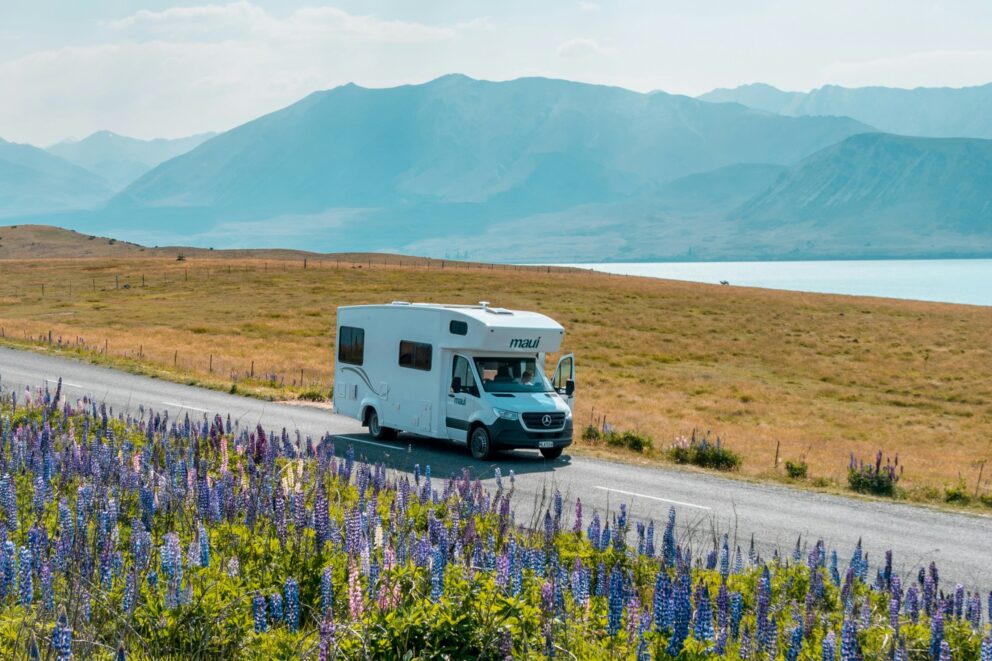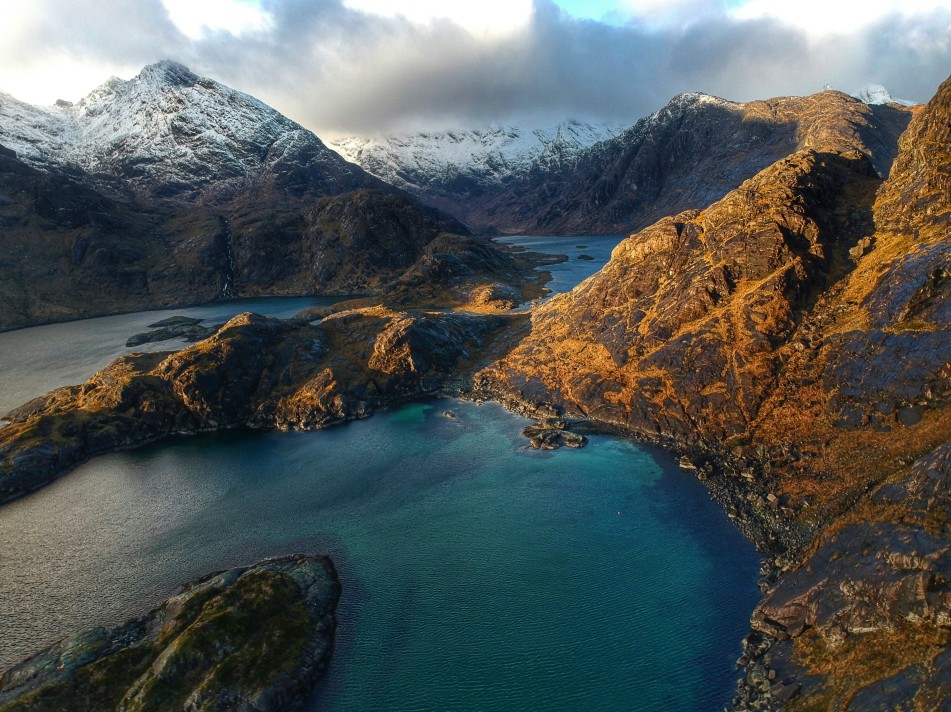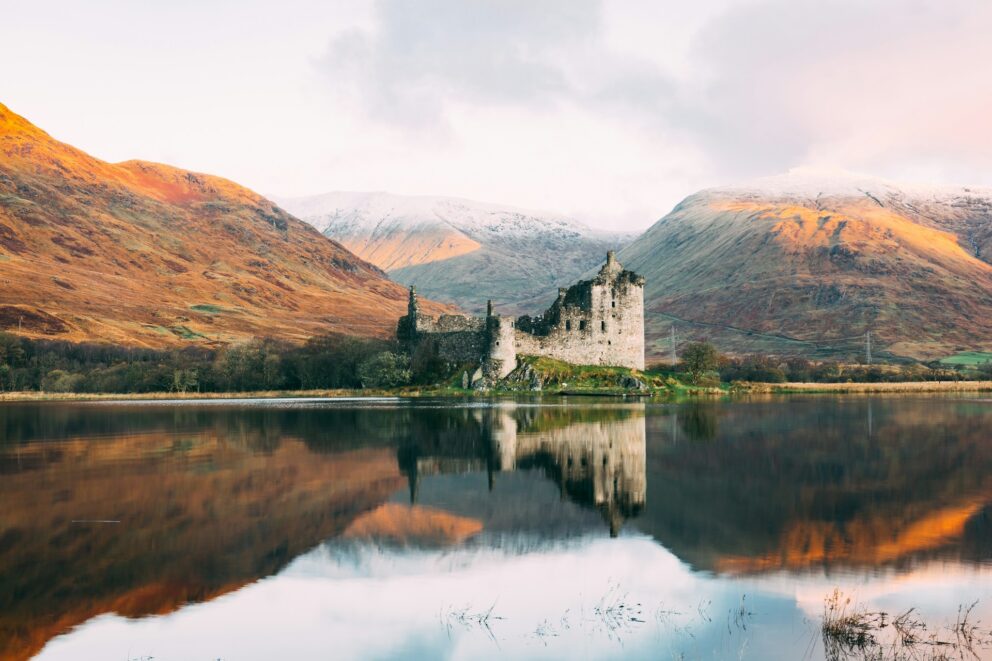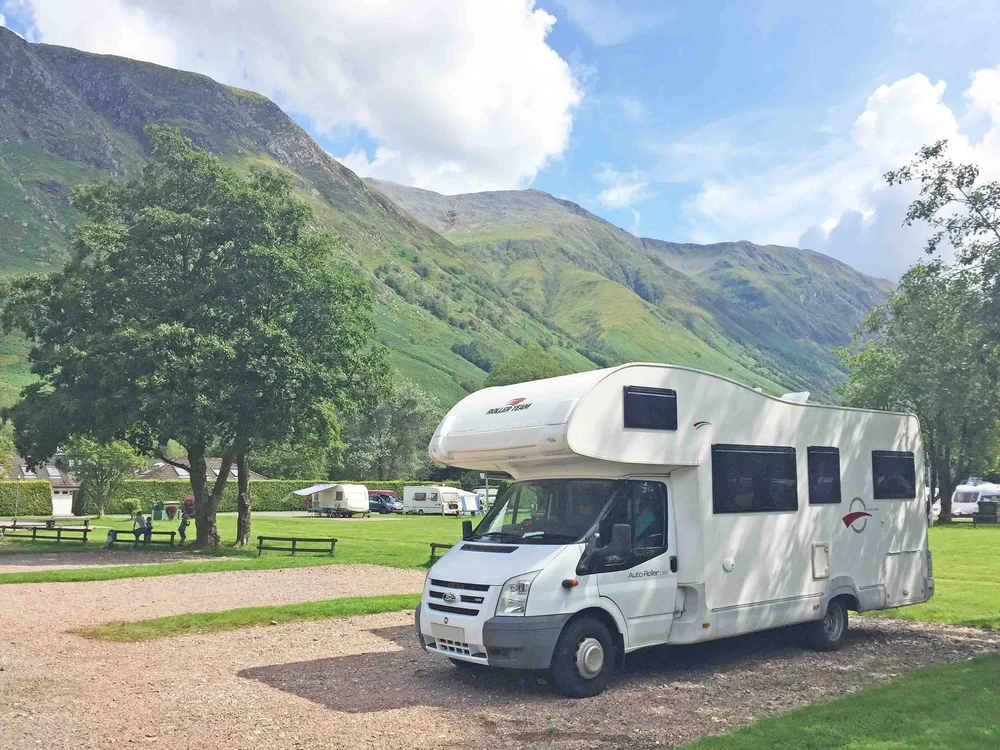

A campervan trip around Scotland calls for a slightly different approach to packing than your usual holiday. You have less room to work with, the weather can change quickly, and in summer you are likely to encounter the famously persistent Highland midges. Fortunately, you will not need to bring everything you own.
This packing list is intended for those renting a campervan, rather than buying and fitting one out. Many of the lists you will find online are written as though you are starting with a completely empty van and need to supply all the pots and pans, bedding, tools, and camping equipment, but a good rental company will provide most of that for you. Below, we’ll will explain what is already included in a Compass Campers van, what is genuinely worth taking, and what you can safely leave behind.
What’s Already in Your Compass Campers Van
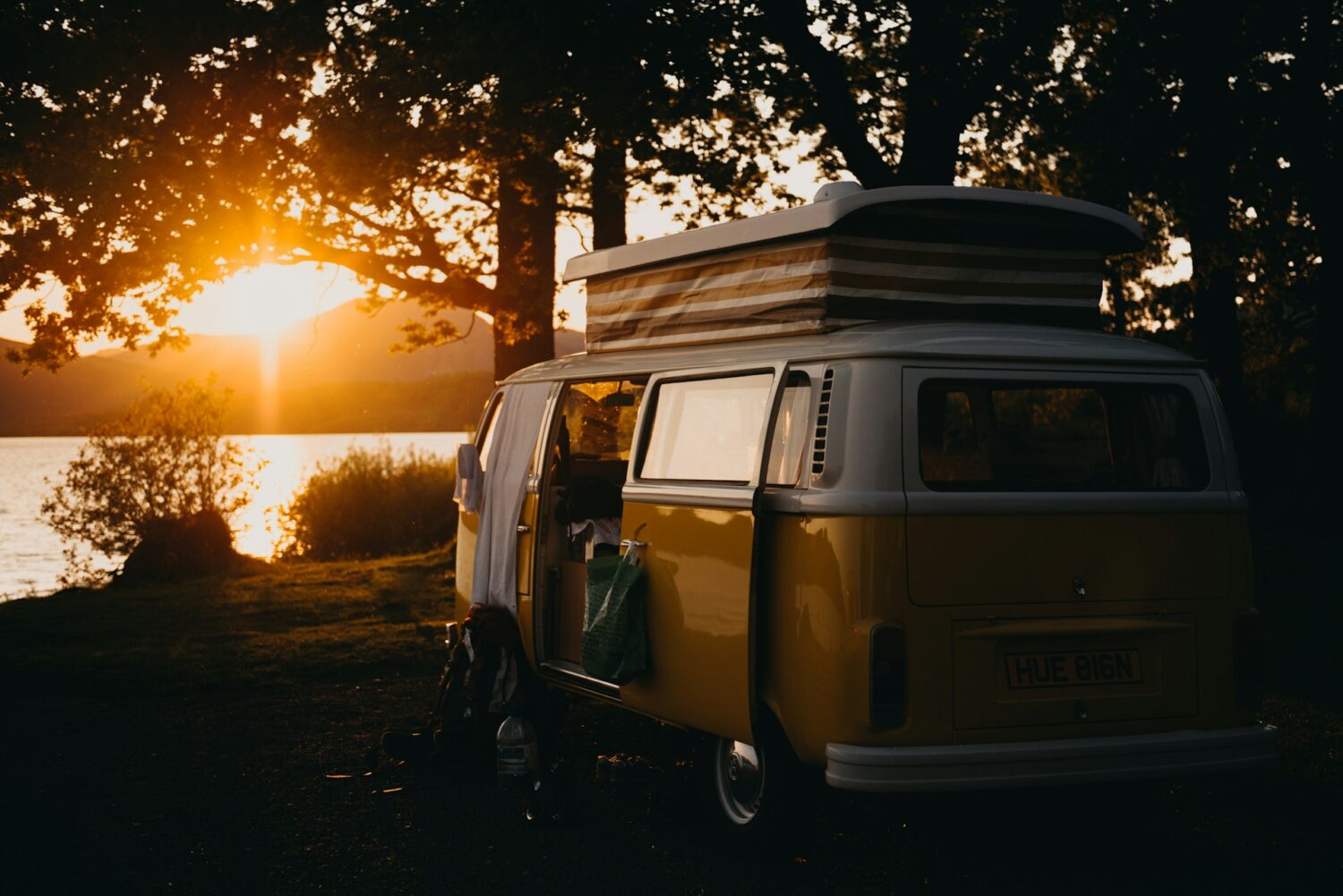
Compass Campers vans are well equipped, and this is easy to forget when you are packing. The basics are already covered, so you can focus on your holiday rather than trying to force more equipment into the storage.
As a rule, they will include: a complete kitchen set with pots, pans, cutlery, plates, and utensils, gas for the cooker, bedding and the mattress for the bed, a heater for chilly evenings, a fridge and everything you need for cooking, a dining table and seating, the cable to connect to electricity at campsites, breakdown assistance, campervan insurance, and space to store your clothing and food. For full details of what is and is not included as standard, our FAQ page is a good place to check. Because all of that is provided, you will find packing considerably less stressful, and life on the road much more pleasant when you are not travelling with a mountain of possessions.
Clothing for Scottish Weather
The most common mistake when packing for a Scottish campervan holiday is preparing for only one kind of weather. You can genuinely experience sunshine, heavy rain, wind, and cold nights all in a single day, even in July.
Layering is what matters most. Rather than heavy, thick clothes, take items you can add or remove to suit the temperature.
For a good campervan packing list for Scotland, you will want a waterproof jacket, waterproof trousers, comfortable walking shoes or hiking boots, fleeces or other warm layers for the middle of the day, base layers for colder nights, t-shirts and lighter clothing for warmer periods, swimwear for lochs, hot tubs or beaches, a warm hat (particularly if you are not travelling in the height of summer) and, above all, extra socks. It is also worth packing slippers or thick socks to wear inside the van.
A campervan is far more comfortable if you leave muddy boots by the door and change into something comfortable for the evening.
One simple tip: roll your clothes rather than folding them. It saves space, and you will not have to empty every cupboard to find what you are looking for.

Midge Defence Kit
Midges belong on any sensible list of things to bring when camping in Scotland. These tiny biting insects are most active between late May and September, and at their worst at dawn and dusk, when the air is calm. In some places there are hardly any at all; in others it can feel like being swarmed. A few small items help considerably: Smidge repellent, a midge head net, long-sleeved shirts, light trousers, and something for the bites themselves, either after-bite cream or antihistamines.
Helpfully, midges cannot tolerate a breeze. You will have a far easier time at a coastal or more open campsite than at a sheltered, inland location.
Cooking and Food Extras
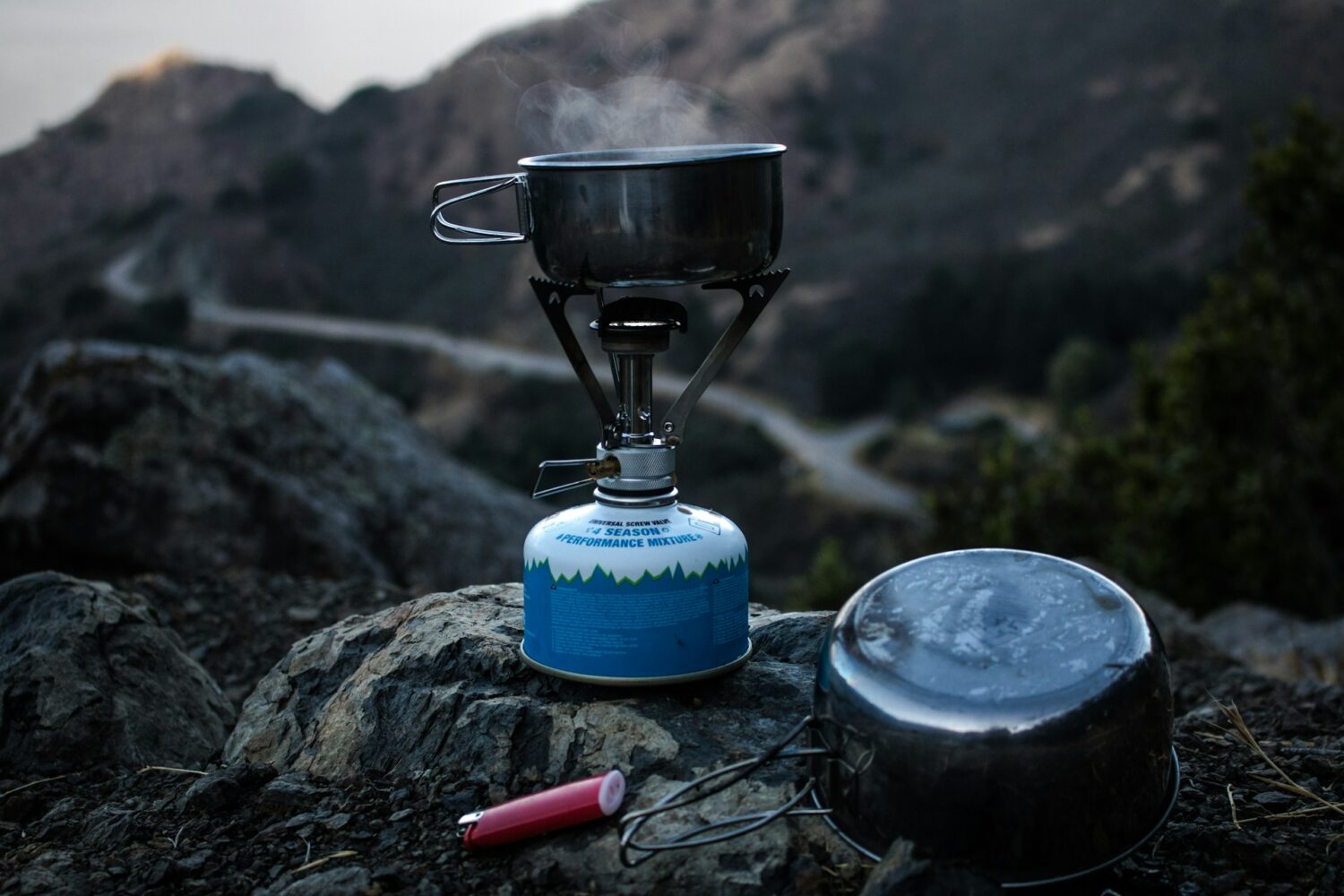
Although your campervan will have all the kitchen basics, there are a few food items you will likely want to add. Cooking oil, salt and pepper, tea, coffee or hot chocolate, and your preferred spices or sauces are all worth having. So too are reusable water bottles, a cool bag for days out, tea towels, bin bags, foil, cling film, washing-up liquid, and snacks for long journeys. Many people do one large supermarket shop before setting off, but it is better to buy food more frequently. Campervan fridges are not very large, and you will likely come across excellent local bakeries, seafood suppliers, roadside honesty boxes, and farm shops as you travel.
Tech and Entertainment
Phone signal in the Highlands and on the islands can be very weak in places, so it is wise to plan for no connection at all. If staying online matters for your trip, our guide to reliable internet in the Scottish Highlands is worth a read. In practice, this is not a significant problem, and a few items can make your journey easier.
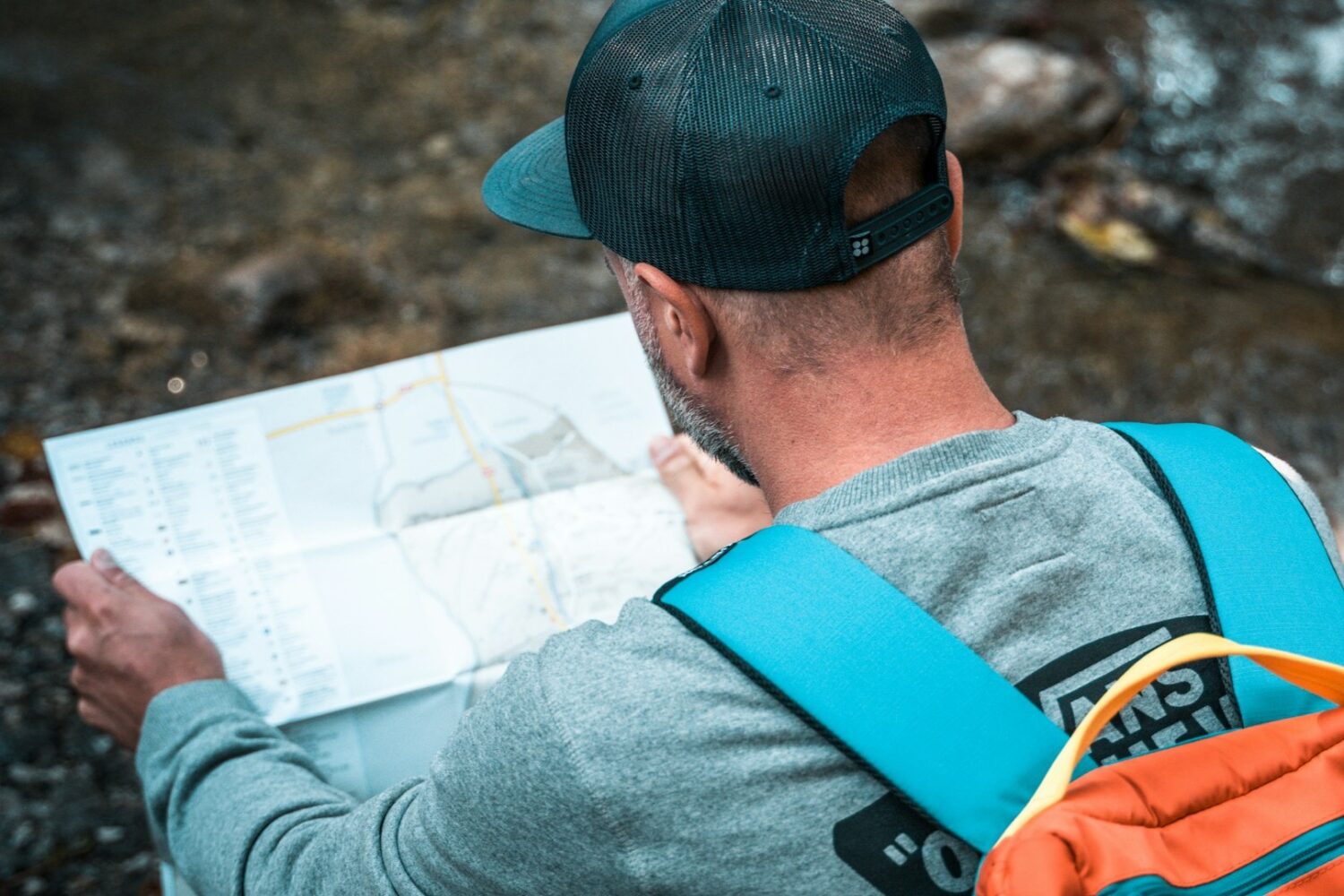
Power banks, charging cables, offline Google Maps downloaded in advance, a traditional paper road map as backup, headphones, a Kindle (or printed books and magazines), card games, a Bluetooth speaker, and a camera or GoPro are all useful. Indeed, some of the most enjoyable evenings are those spent parked beside a loch with a card game, free from the buzz of phone alerts.
Outdoor and Adventure Gear
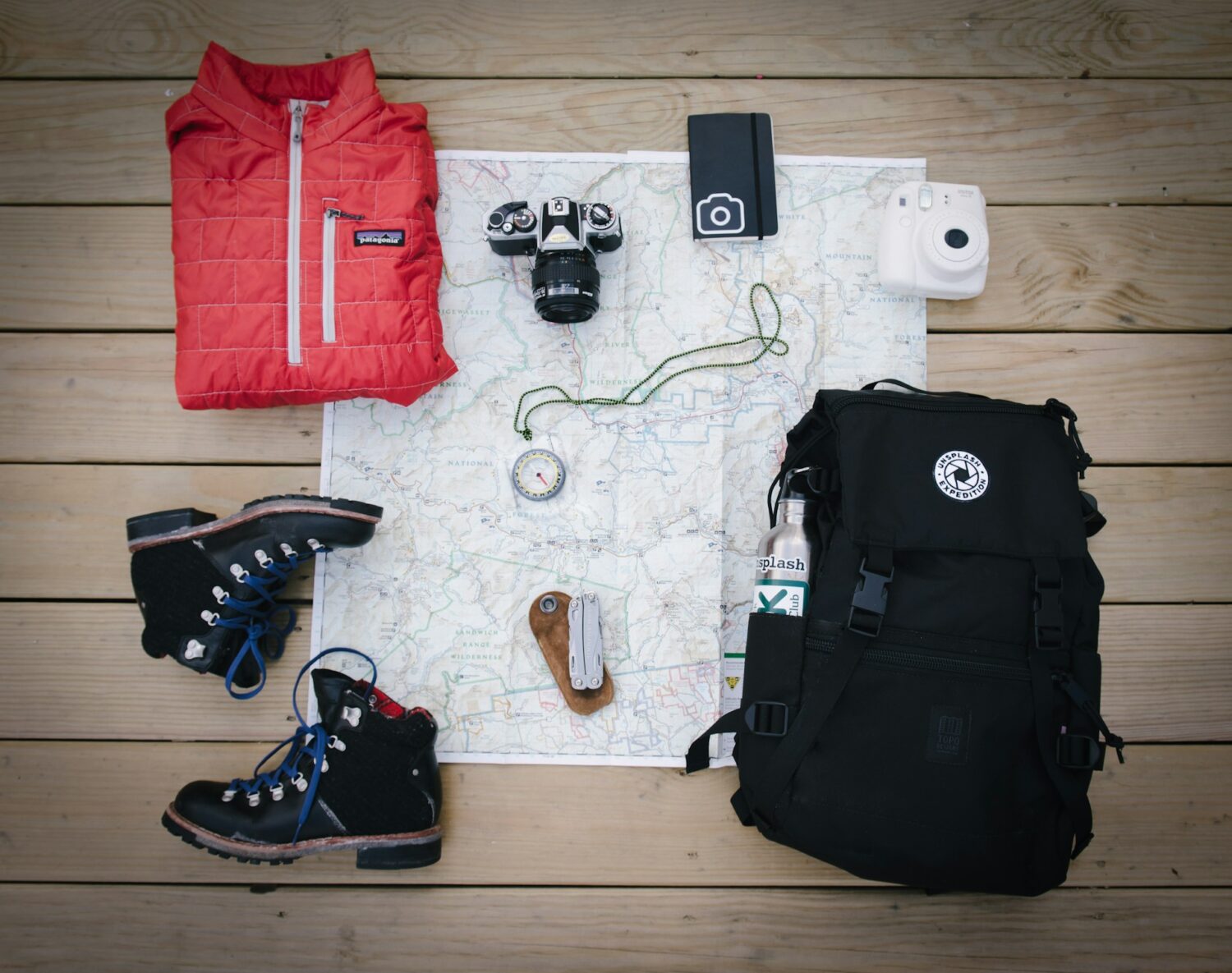
What you need for outdoor activities depends on what you intend to do. Some travellers will be doing mostly scenic drives, while others will be out on foot every day. If you are still in the planning stages, our road trip itineraries can help you decide what kind of trip suits you best, whether that is the North Coast 500, the East Coast, or the West Coast.
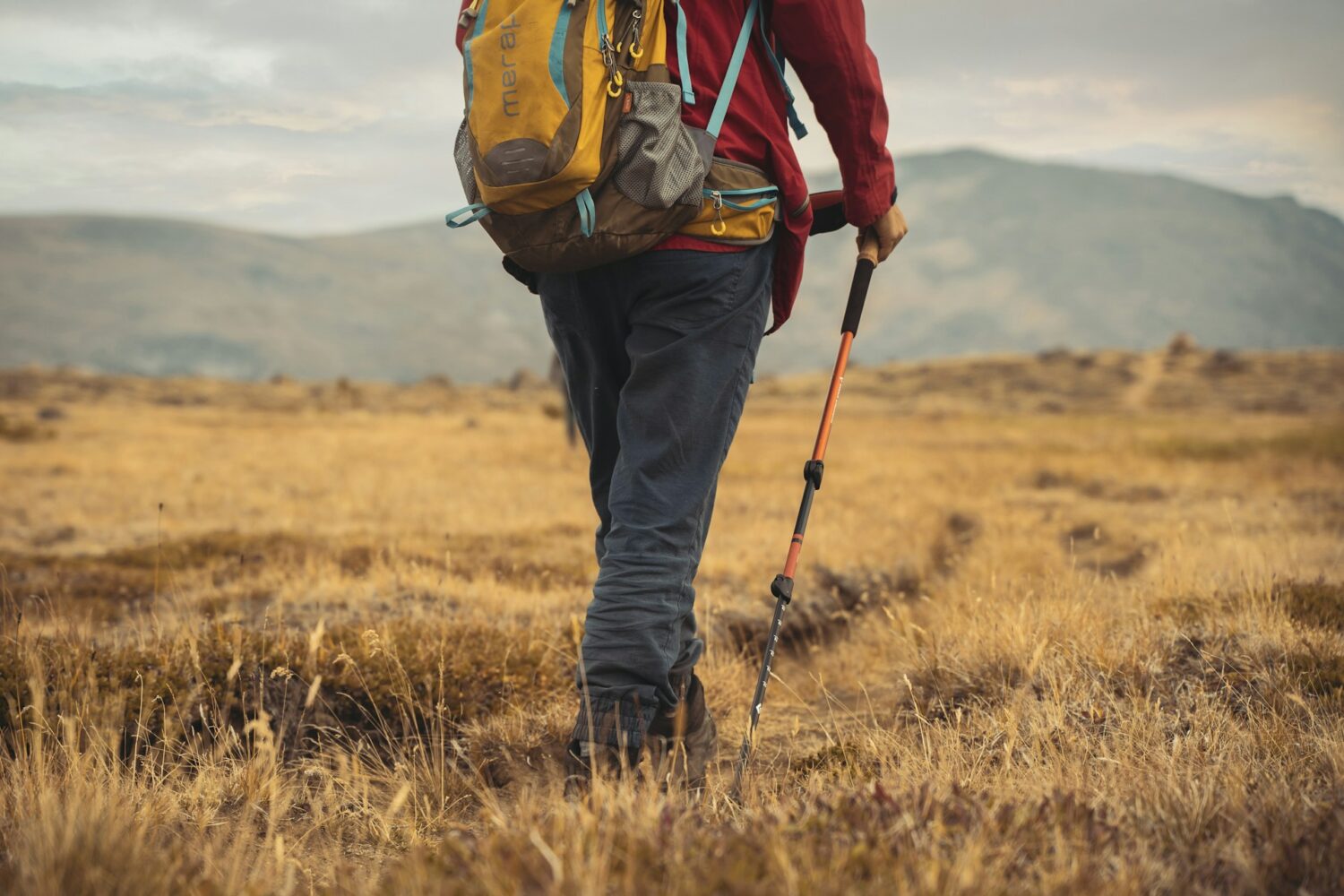
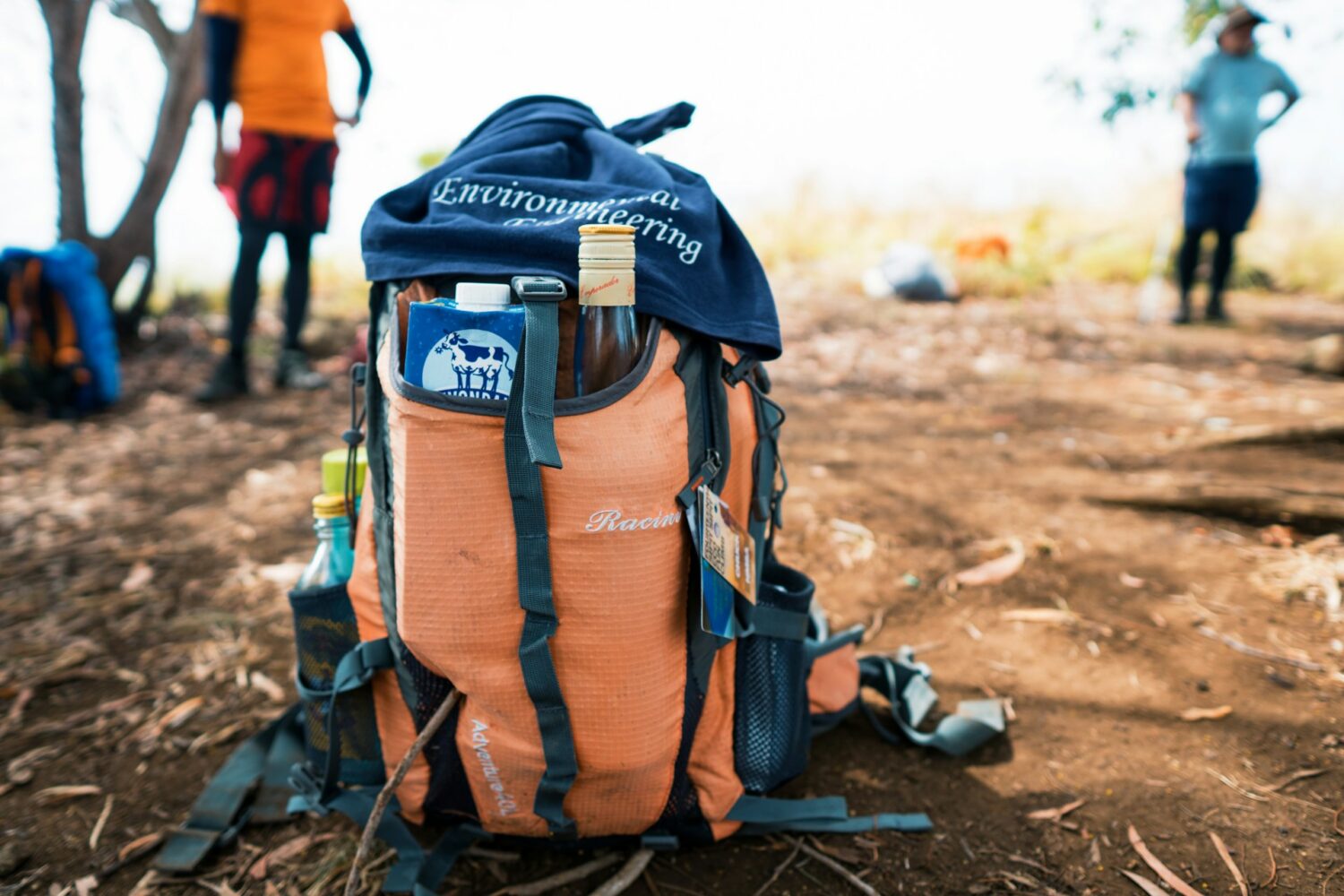
That said, a small backpack for days out, a head torch, walking poles, binoculars, a reusable shopping bag, and sunglasses and sun cream are almost always worth having. Sun cream genuinely belongs on a Scottish campervan packing list: on a bright day, sunlight reflecting off the lochs and water can burn you far more quickly than you might expect.
Toiletries, First Aid and Personal Items
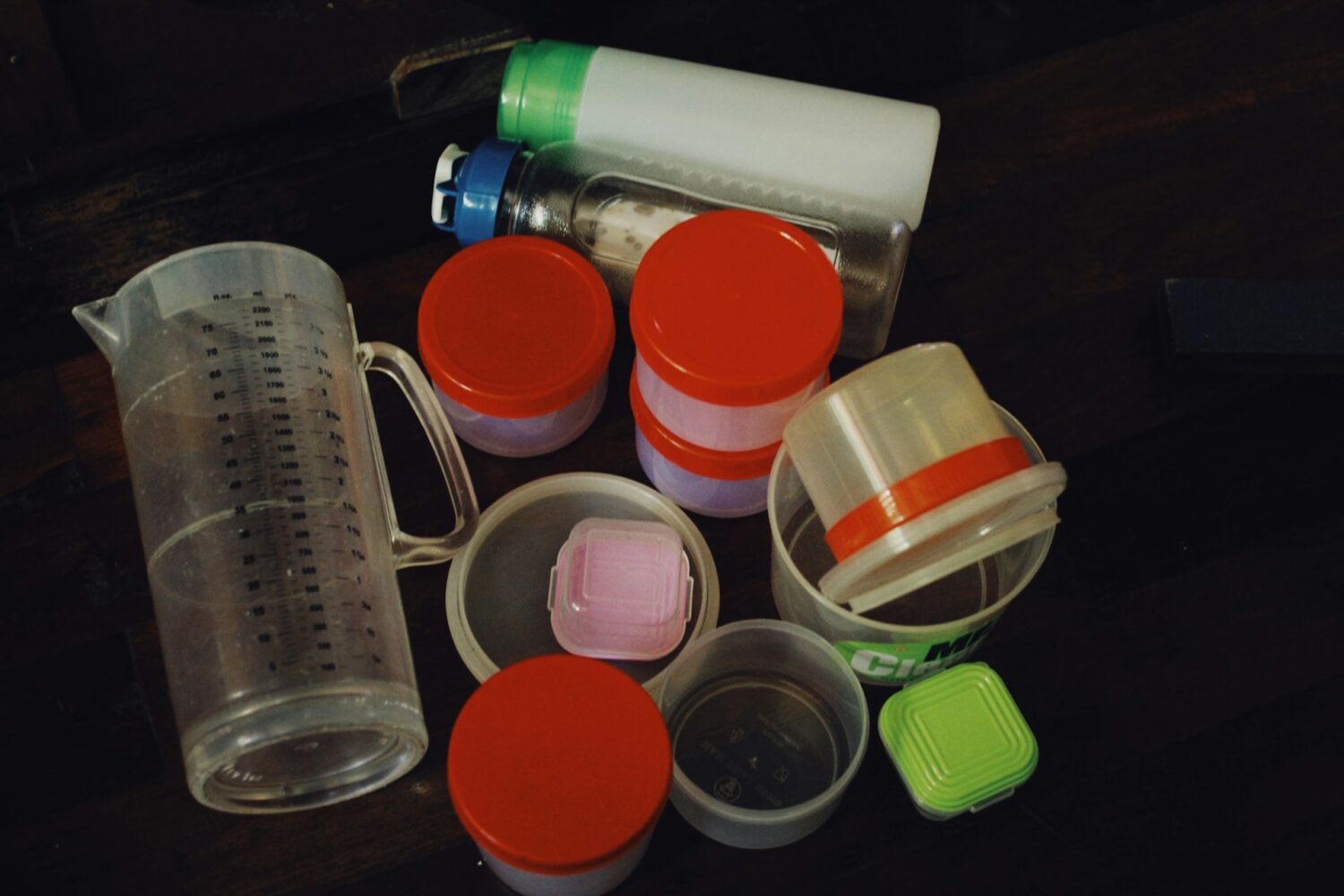
When space is limited, it is much easier to manage if you take smaller, travel-sized versions of all your usual items.
Essentials worth taking include basic toiletries, toothbrush and toothpaste, a microfibre travel towel, any prescription medication, a small first aid kit, plasters, antihistamines, wet wipes, hand sanitiser, and toilet paper.
On longer drives, or when stopping in remote areas, wet wipes and hand sanitiser are particularly useful.
Documents and Admin
Paperwork is the least interesting part of packing, but forgetting a single document can disrupt the entire trip.
Keep your driving licence, your DVLA share code (if required), details of any vehicle hire, insurance details, bookings for ferries to destinations such as Skye, Mull, Orkney or the Hebrides, your debit or credit card, and a list of emergency contacts (on paper) somewhere easily accessible. Phone batteries can run down surprisingly quickly on travelling days, so it remains sensible to have important numbers and details written down somewhere other than your phone.
What NOT to Bring
For a campervan trip, taking less with you is genuinely the better approach. Items such as awkwardly shaped hard suitcases, thick pillows or sleeping bags, numerous dress shoes, hairdryers and irons, fragile valuables, excessive food, and clothes you think you might need but will not actually wear tend to be more trouble than they are worth.
Soft bags are far more practical, as they can be folded into gaps once you have unpacked. In reality, most people end up wearing the same comfortable clothes throughout, particularly once they settle into outdoor activities.
Final Thoughts
For the best results, keep your campervan packing simple. Pack useful clothing in layers, a few treats to make the trip enjoyable, and the essentials for everyday use. Anything beyond that simply takes up room.
If you are not sure what is included with your booking, or would like some advice for your journey, please get in touch. You can also take a look at our vans to find the right one for your trip.
FAQ
Do campervan rentals come with bedding and kitchen equipment?
Most newer rentals do. Compass Campers vans, for example, come with a fridge-freezer, cooker, kettle, crockery, glassware, kitchen utensils, and cooking equipment as standard, along with a camping table and chairs, power cable, and gas bottles. Memory foam mattresses and a heating system are built in, so you can focus on the trip rather than the kit.
How do you protect yourself from midges in Scotland?
The best way is to use insect spray, wear long sleeves and try to stay out of still, calm places in the evenings when they’re at their worst. Smidge is a really well-liked repellent in Scotland. And, you’ll find there aren’t nearly as many midges in windy spots on the coast as in sheltered inland spots.
What’s the best month to go to Scotland in a campervan?
May and September are often considered two of the best months. You’ll get emptier roads, a good amount of daylight and fewer midges than in the height of summer. June, July, and August will have the warmest temperatures and the longest days, but campsites and popular routes fill up quickly.
What should I avoid bringing on a campervan trip?
Please avoid hard shell suitcases, heavy duvets, unnecessary electronics, and excessive clothing. Campervans aren’t huge on space, and it’s much easier to get around if you don’t have too much with you. Soft bags, versatile clothes, and small toiletries are a much better bet.